Blue Spring Manatee Tours
BLUE SPRINGS
KAYAKING MANATEE TOURS ORLANDO
A Manatee & Wildlife Adventure.
Good News! The Crystal Clear Spring of Blue Springs is now open to kayaking and paddleboarding, and swimming! Join us for a magnificent wildlife adventure!
Blue Spring Kayaking Orlando
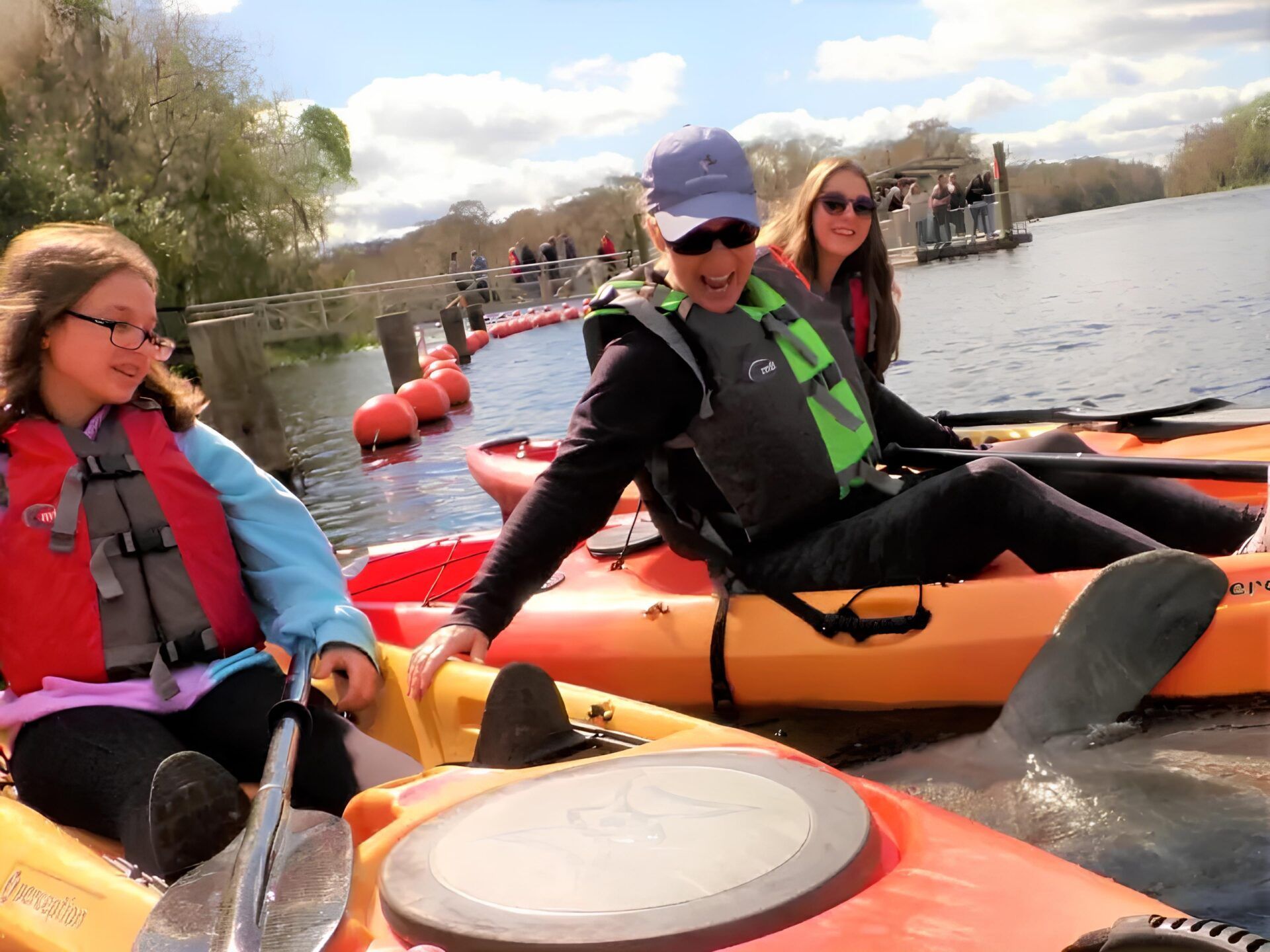
Experience our Blue Springs Kayaking Manatee Tours Orlando, at Blue Springs State Park. Blue Springs is lovely, with an abundance of Florida wildlife. Our kayak tours are slow-paced and family-friendly, and are located just 30 miles from downtown Orlando. Learn to board on our paddle board tours, and swimming is allowed in the crystal clear springs in the summer months. Blue Springs State Park offers a breathtaking gateway into Florida’s natural beauty. Known as a winter sanctuary for hundreds of manatees and a hotspot for wildlife exploration, the park is a prime location for kayaking and paddleboarding adventures. Whether you’re seeking the serene spectacle of manatees or the vibrant ecosystems of Florida, a tour in Blue Springs promises unforgettable experiences.
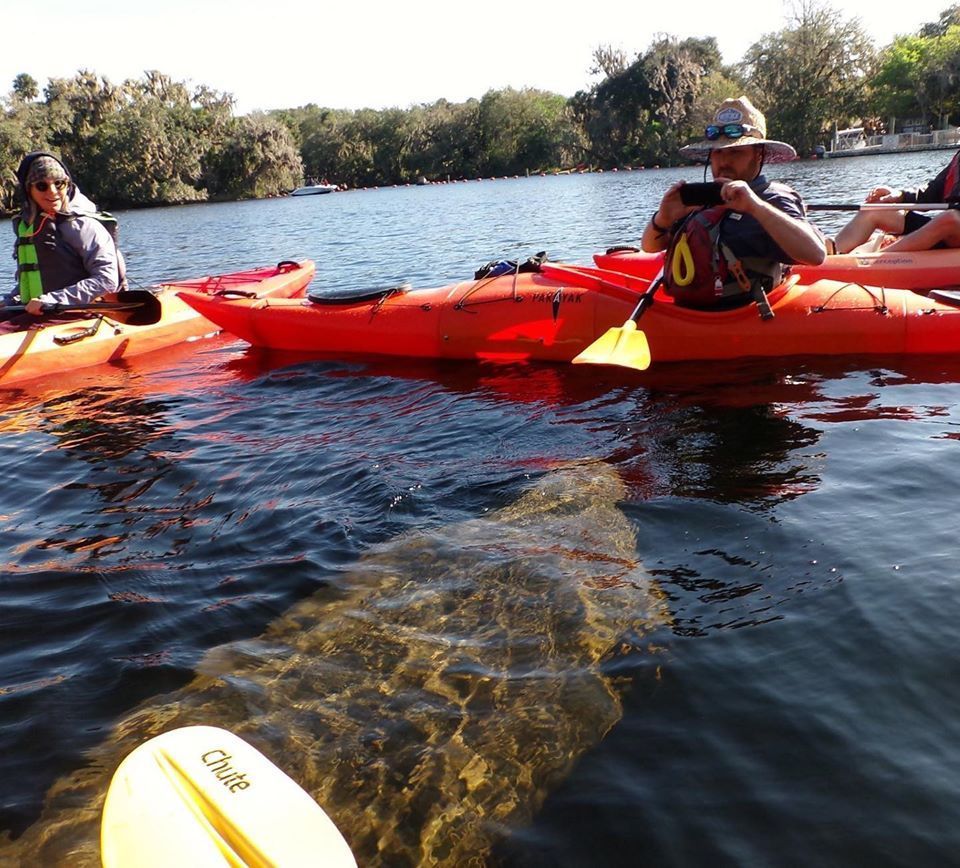
Unbelievable Adventures at Blue Springs
Memorable Experiences at Blue Springs
Blue Springs Manatee Tours
Manatee Personal Encounters
Blue Springs Wildlife Tours
Eagles at Blue Springs
Wild Exotic Birds
Wild Turkeys at Blue Springs
Nature at Blue Springs
Alligators at Blue Springs
Why Choose Blue Springs State Park For Kayaking, and Manatee Tours
Manatee Haven: A Winter Sanctuary
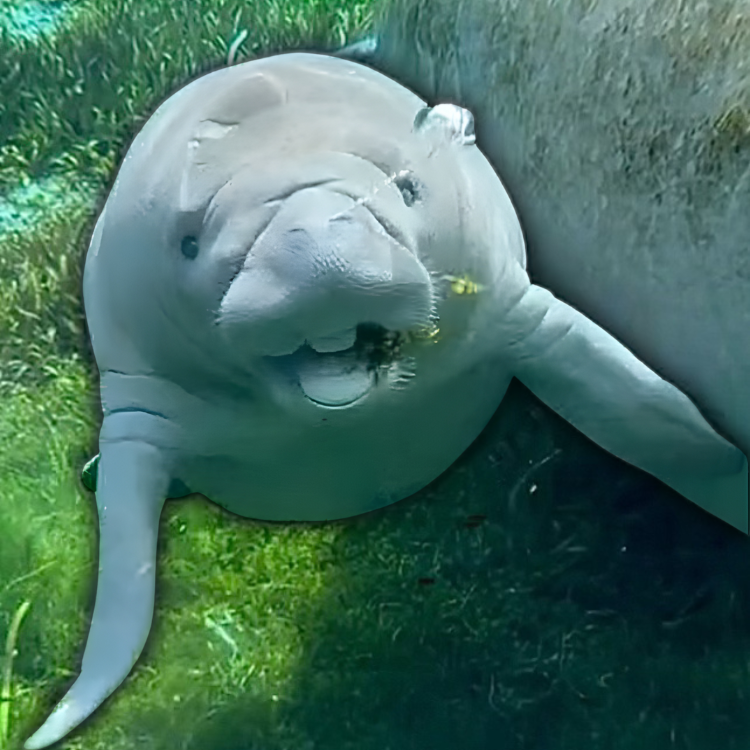
Blue Springs State Park is renowned for its role as a refuge for manatees during the colder months. On New Year’s Day 2024, the park recorded 932 manatees, making it one of Florida’s premier spots for observing these gentle giants. The warm, spring-fed waters offer an ideal environment for manatees escaping the chill of winter.
Prime Location and Accessibility
The park is conveniently located at 2398 W French Ave, Orange City, FL, with tours launching from French Landing. Visitors can enjoy a guided kayaking or paddleboarding experience exploring the scenic waters, with tour times at 9:00 AM and 12:00 PM. The morning tours are enriching, as wildlife is more active during their early feeding hours.
Immersive Wildlife Encounters
While manatees are the stars of the show in winter, Blue Springs offers abundant wildlife year-round. Depending on the season, paddlers might encounter:
- Birds: Bald eagles, wild turkeys, and wading birds.
- Aquatic Life: Fish, otters, and alligators.
- Resident Manatees: Even in the warmer months, some manatees remain in the area.
Touring with an experienced naturalist guide enhances the experience, as they share insights about the animals, ecosystems, and history of the park.
Tour Details: What to Expect
Public & Private tours are available. Just click the Book Now Button for prices.
Tour Duration and Distance
Each kayaking or paddleboarding tour lasts two hours, covering approximately two miles. The pace is relaxed, allowing for a closer appreciation of the surroundings.
Seasonal Highlights
Winter (Manatee Season)
- Hundreds of Manatees
- Cool Weather: Comfortable conditions for outdoor activities.
Spring and Summer- Crystal Clear Water
- Learn Paddleboarding: Ideal for beginners, with lessons included.
- Swimming Opportunities: From April 1, the spring waters are open for paddling and swimming.
- Resident Wildlife: Frequent sightings of fish, birds, and even a few manatees.
-
Photography and Memories
Guides assist in capturing photos of your adventure, ensuring you leave with cherished mementos.
What Makes Blue Springs Kayaking Unique?
The Spring Ecosystem
The spring-fed waters of Blue Springs stay at a constant 72°F, creating a haven for wildlife and a pleasant environment for paddlers.
Two Parks in One Adventure
Tours traverse parts of both Blue Springs State Park and Hontoon Island State Park, offering a diverse glimpse into Florida’s wetlands and wildlife habitats.
Eco-Friendly Tours
Kayaking and paddleboarding minimize environmental impact, aligning with the park’s conservation efforts to protect its flora and fauna.
Summer Paddleboarding: A Skill for Adventure
For those visiting outside the manatee migration season, summer brings its own charm. Learn to paddleboard with expert instruction during guided eco-tours. This engaging activity complements the exploration of Blue Springs’ ecosystems, making it an ideal summer adventure. a memorable experience with a tip for your guide.
Plan Your Visit
- Location: French Landing, 2398 W French Ave, Orange City, FL 32763
- Tour Times: 9:00 AM and 12:00 PM
- Tour Duration: 2 hours
- Distance: Approximately 2 miles
FAQs
1. What is the best time to visit Blue Springs State Park?
The best time is during the winter months when manatees gather in the spring for warmth. However, spring and summer offer opportunities for paddleboarding, swimming, and viewing resident manatee & wildlife.
2. Are the tours suitable for beginners?
Yes, the tours are designed for all skill levels, family-friendly. Paddleboarding lessons are also available for first-timers.
3. Can I swim during the tour?
Not during the tour, however, swimming is allowed in designated areas starting April 1, during the spring and summer seasons.
4. What wildlife can I expect to see?
Visitors may see manatees, fish, otters, alligators, bald eagles, wild turkeys, and various water birds.
5. How can I book a tour?
Tours can be booked online. Just click the book now button.
6. Are children allowed on the tours?
Yes, children are welcome, but they must be accompanied by an adult. Ages 4 Plus.
7. What should I bring on the tour?
Wear comfortable clothing, bring sunscreen, and pack water. Cameras or waterproof phone cases are recommended for capturing photos.
Call Or Text (352)240-5721

Our kayaking tour meanders up the beautiful Snake Creek, which is part of the St Johns River Watershed, and part of Hontoon Island State Park. Our kayak tours paddles through two amazing Florida State Parks and the beauty of this area is home to a wide range of Florida native wildlife, as well as some migrating visitors. So what are you waiting for? Join us on an amazing kayak wildlife tour in Blue Springs State Park today!
A Note from the Owner
Feeling a bit worried lately?
Has stress got you down?
You might be suffering from nature deficit disorder.
We have the cure!
The Elegant Beauty of Kayaking Blue Springs State Park
Kayaking Blue Springs is one of Florida’s most exciting and captivating kayaking tours. Kayaking along the spring run and the amazing St. Johns River elevates one’s senses and brings awareness of the area’s raw natural beauty. The spring can pump up to 102 million gallons of crystal-clear water a day. Kayaking down some of the small tributaries of the St. Johns River gives you a true feeling of old Florida with wildlife at almost every turn. The huge cypress trees drape over the forested wetland as if they were standing guard over all the abundant life beneath them. Kayaking Blue Springs can bring a blissful calm to the soul, and a peaceful awareness of the simplistic elegance of nature. Relax & Enjoy!
Greg Braswell – Florida Native, UF Master Naturalist, Owner/Guide for 23 years – Kayaking Florida
History Of Blue Springs
Blue Springs is rich in history. Blue Springs was visited by botanist John Bartram in 1776. John Bartram is an early American botanist and explorer. He is called the father of botany. He is also the father of William Bartram, a famous naturalist, botanist, and explorer. John sketched and wrote about the flora and fauna of Florida and the St Johns River.
In 1856, a New Yorker by the name of Louis Thursby bought Blue Springs moved his family down to a small wooden shack, and started an orang-growing business. A few years later he built a large plantation-style home on top of an Indian midden, which still stands on the property today. Thursby’s Blue Springs Landing was a hot spot for steamboat activity, shipping goods and tourists back and forth to Jacksonville on the St Johns River.
In 1880 the railroad came in and eventually, the steamboats became a thing of the past. In the 1890’s a killing freeze occurred, wiping out the citrus grove and pushing the industry further south. Thursby and his family switched his focus to the tourist trade, and took advantage of the beautiful spring and excellent hunting and fishing opportunities along the St Johns River.
In 1971 a famous French marine biologist by the name of Jacques Cousteau filmed a documentary about the manatees of Blue Springs for an episode of a very popular program on TV called the Under Water World of Jacques Cousteau. The episode was called The Forgotten Mermaids. The documentary highlighted the Florida manatees and the importance of Blue Springs as the manatee’s winter refuge. Bringing attention to Blue Springs sparked the Florida Department of Environmental Protection to purchase the land one year later in 1972, and begin the manatee protection program.
The St. Johns River
The Saint Johns River is the longest in Florida. The river is 310 miles long and begins south in Indian River county, and flows north to Mayport in Jacksonville, where is dumps into the Atlantic Ocean. It’s been called the lazy river because it flows at a rate of 3 mph. There is only a 30 ft. difference in elevation between the headwaters and the mouth of the river, Blue Springs is the largest spring on the St Johns River.
Manatee Fun Facts
- Florida manatees are a subspecies of the West Indian manatee.
- Closest living relative is the elephant & hyrax.
- Fossil records date back 45 million years. The oldest fossil found was in Jamaica.
- The word manatee is a Caribbean word meaning breast.
- The fossils show that manatees were amphibious creatures with four legs about the size of a pig.
- Average length is (352) 240-5721 ft. / Average weight is (352) 240-5721 pounds.
- Largest on record is 15 ft and 3,649 pounds.
- Average life span per FWC is 30 years.
- Snooty was a captive manatee that lived 69 years.
- Manatees are herbivores. They eat about 60 different plant species with seagrass being their major food source.
- They can consume up to 10% to 15% of their body weight per day.
- The average manatee has about 50 ft of intestines which is very long for an animal of this size.
- Manatees have a very low metabolic rate.
- Manatees lack the insulating body fat to keep them warm. They can’t survive in prolonged water temperatures below 68 degrees.
- Manatees are very agile and swim up to 20 mph in short bursts, however usually swim at 2-3 mph. They can dive up to 20 min. while resting and 4-5 min not resting.
- Manatees are solitary animals except during mating herds and when they are staying warm in the 72-degree springs. The females are larger than the males.
- Manatees are non-territorial and do not have complex predator avoidance behavior. They have no common predators, not even alligators.
- Manatees have been called experiments of nature by scientists.
- Man and the loss of warm water habitat, such as springs are the only real threat to our beautiful FL manatees. With more and more people moving to Florida. Our creeks and rivers are getting crowded with boats. Please slow down and be aware of these magnificent animals.
Florida Wildlife Commission
Viewing Guideline for the Florida Manatee
The Florida manatee is a threatened species and is protected by federal and state law. Please do not disturb or harass manatees. Harassment is defined as any activity that alters the animal’s natural behavior. By altering the manatee’s natural behavior, you may create the likelihood of danger that is bad for the animal and against the law.
- Look, but don’t touch. Please don’t feed manatees or give them water. If manatees become accustomed to being around humans, it can alter their behavior in the wild, perhaps causing them to lose their natural fear of boats and people, which may make them more susceptible to injury or death.
- Do not pursue or chase a manatee.
- Never poke, prod or stab a manatee with your hands, feet or any object.
- If a manatee avoids you, do not chase the animal for a closer view.
- Give manatees space to move. Avoid isolating or singling out an individual manatee from its group and do not separate a cow and her calf.
- Keep hands and objects to yourself. Don’t attempt to snag, hook, hold, grab, pinch, hit or ride a manatee.
~ Respect The Manatee
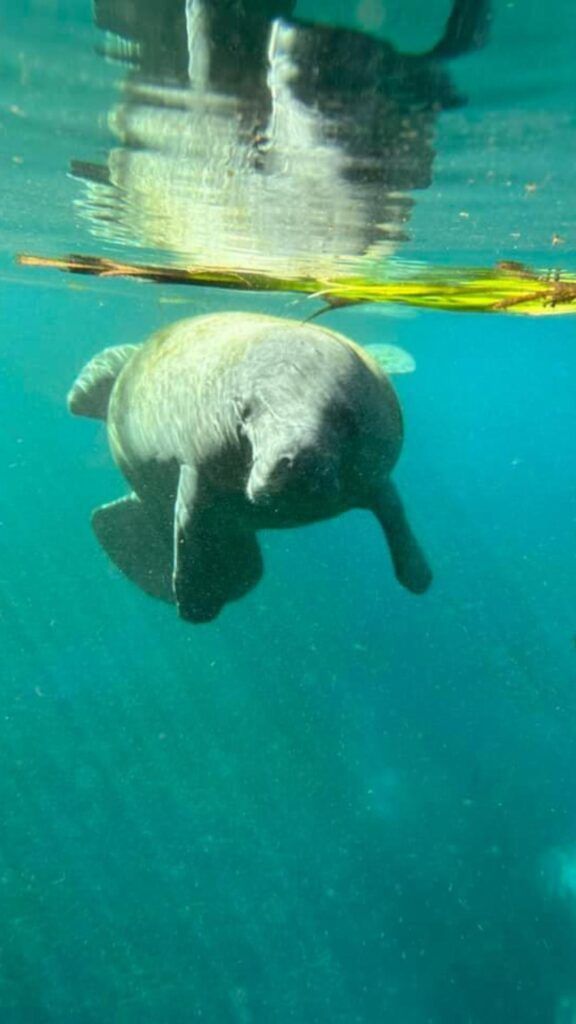
Blue Springs Amazing Manatee Tours
Quick Info
Silver Springs Kayak Tours & Rentals
Wildlife Viewing: Fish, Otters, Birds, Manatees, Turkeys & More
Kayak Tours, Solo Kayak Tours, Tandem Kayak Tours.
SOLO, Tandem, Groups & Kids